Welcome to Neuroscience of Dance
Feeling overwhelmed in class? Struggling to memorize choreography? Disconnected from your body?
Whether you’re battling mental blocks, emotional fatigue, or inconsistent performance, you’re not alone and you don’t have to push through it alone either.
Dancers, educators, and creatives often carry invisible burdens:
Difficulty focusing or staying present in movement
Emotional stress and anxiety affecting performance
Memory lapses with choreography or technique
Lack of motivation, creative burnout, or body disconnection
These aren’t flaws in your discipline.
They’re signs of deeper patterns — rooted in the brain, shaped by emotion, and stored in the body.
We Help You Understand and Heal the Deeper Layers Behind the Movement
At Neuroscience of Dance, we combine cutting-edge science with compassionate practice to help you reconnect, refocus, and reclaim your power in dance and in life.
Our Core Areas of Support:
🧠 Cognition & Brain Function in Dance
Learn how focus, memory, and learning really work — and how to unlock your full cognitive potential in the studio and beyond.
🧬 Dance Therapy & Somatic Integration
Heal through movement. Release emotional blocks, regulate your nervous system, and build a deeper, safer connection to your body.
🧘 Dance Psychology & Mental Skills
Discover tools for emotional resilience, performance confidence, and mindset mastery — based on real psychological frameworks, not quick fixes.
How We Help:
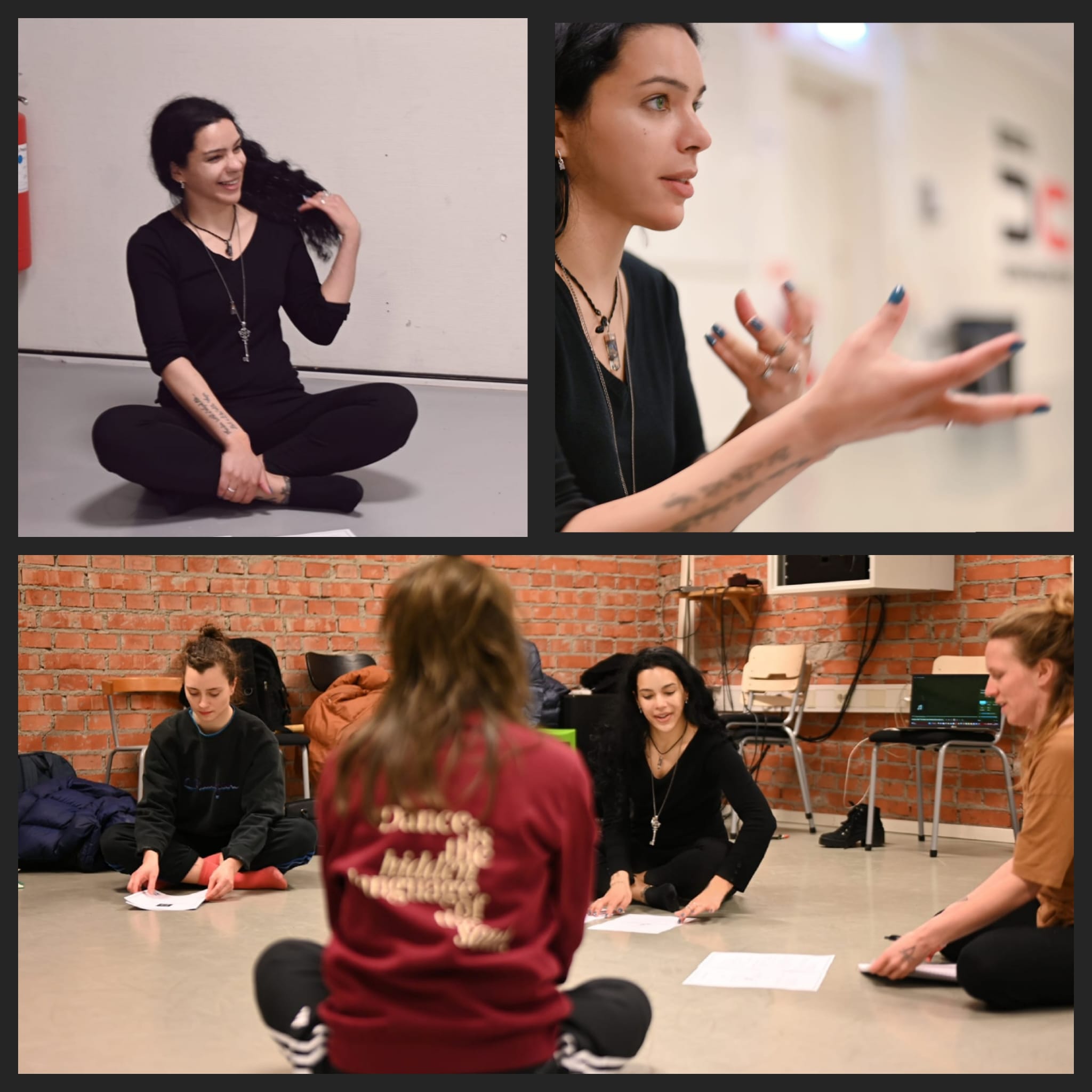
✔️ Workshops – Immersive group sessions that dive deep into specific topics with real-time support
✔️ Consultancy – Personalized guidance for teachers, dancers, choreographers, or wellness professionals
✔️ 1:1 Sessions – Tailored approaches for mental, emotional, and somatic breakthroughs
This is your space to move differently — with clarity, compassion, and science on your side.
About the founder…
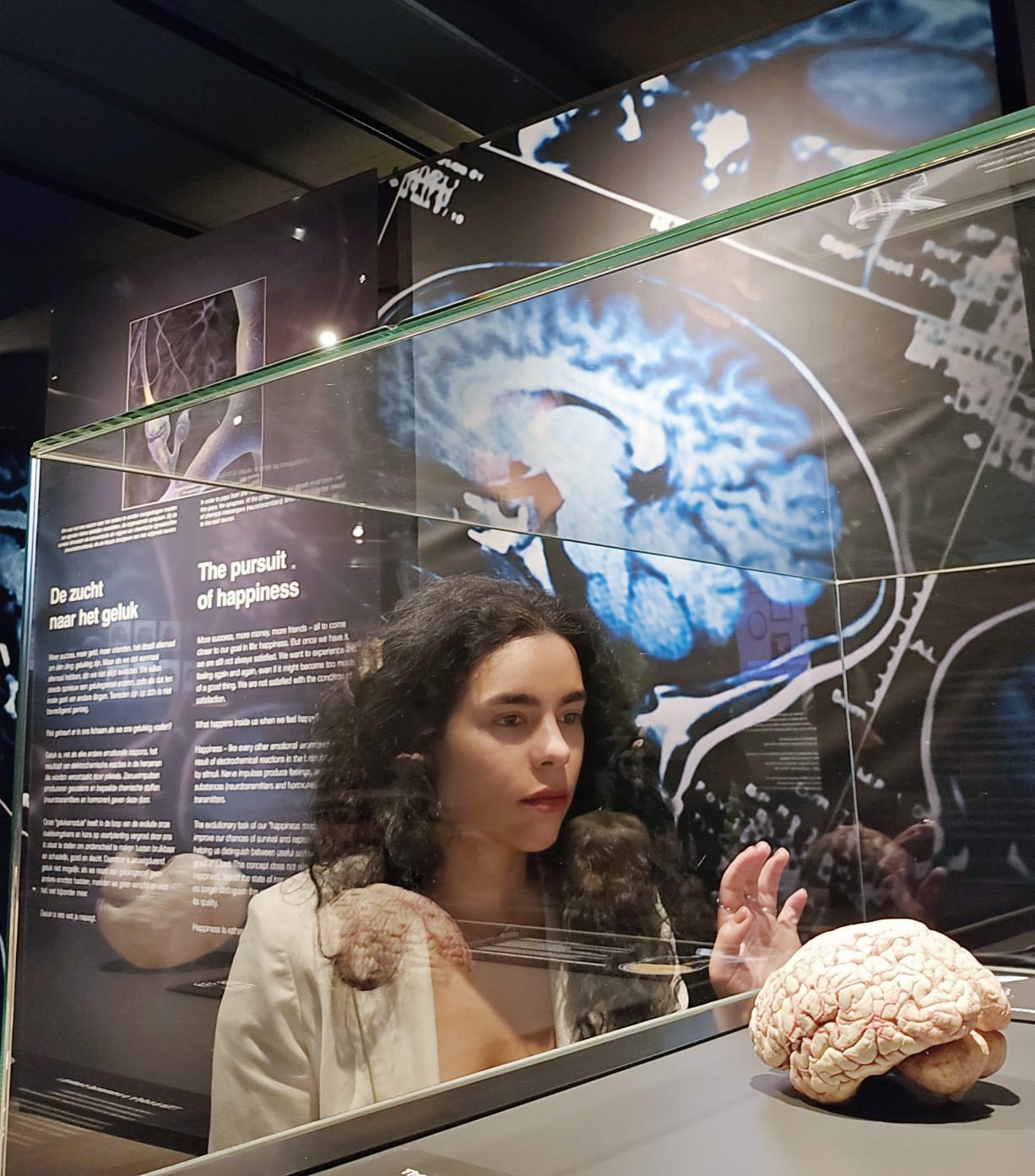
“I fell in love with the brain before I knew what to do with that love. Its mechanisms. Its infinite universe of electrical impulses that allow us to be, to act, to feel. Something alive, precise, and constantly shaping how we move, experience, and become. My work lives in the space between observing and understanding. Between body and mind. Between who we are and who we are learning to be.It is here that I explore how the brain and body learn, adapt, protect, and remember—and how dance becomes a language the nervous system can trust. From molecules to mind, I have relentlessly explored each layer of knowledge and transformed it into my profession: courses, research, and eternal fascination. Not to separate science and art, but to dissolve the illusion that they were ever separate.”
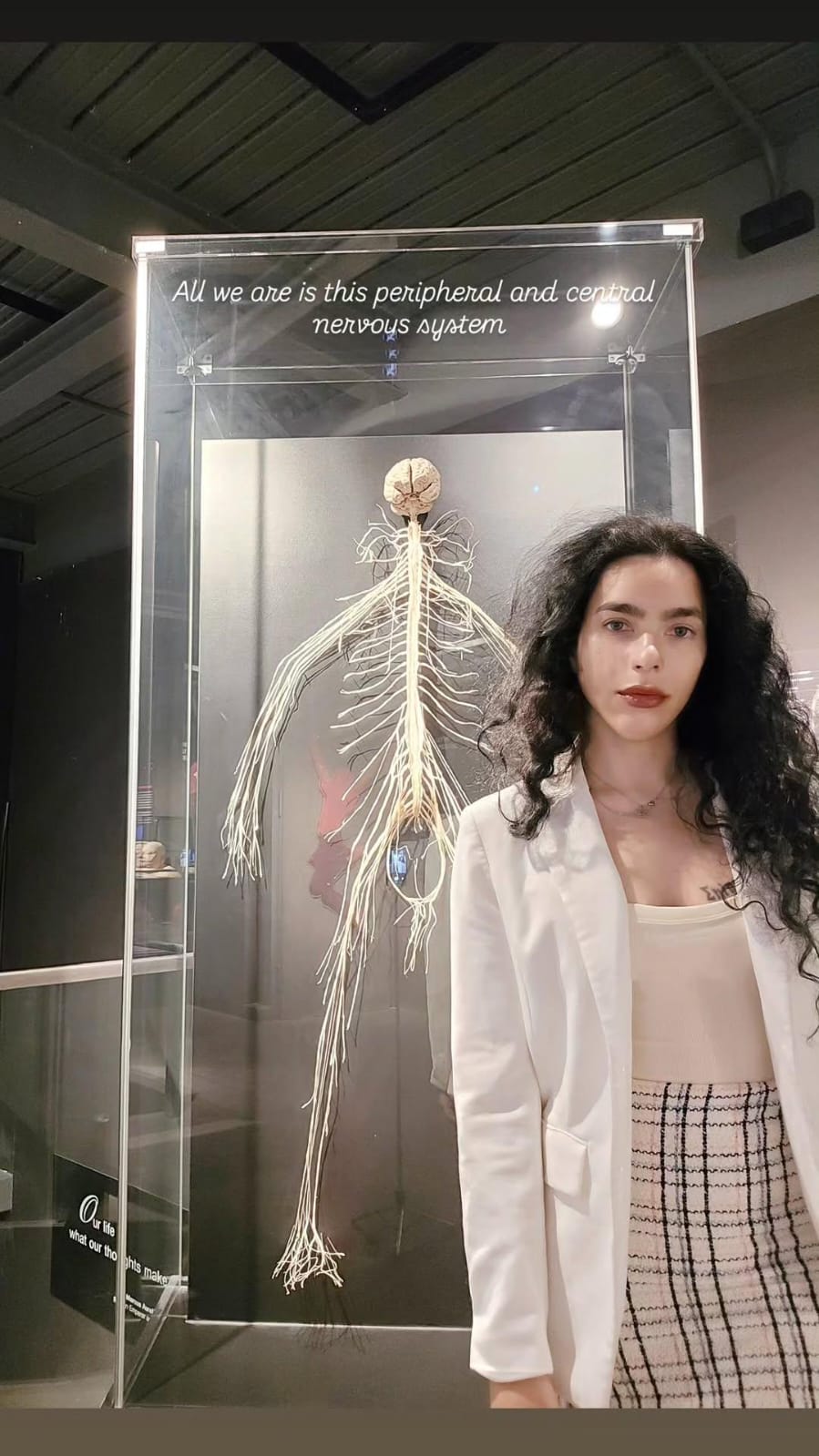
Sofia Amaral Martins is an international dancer, performer, dance educator and trainee somatic psychotherapist working at the intersection of brain, movement, mind, and behaviour.
With postgraduate background in neuroscience and psychology, her work explores how the brain perceives, learns, and expresses dance and its benefits for neurological and psychological well/being. Her research on dance perception has been published in Dance Data, Cognition, and Multimodal Communication (Routledge, 2023), and she is the author of the upcoming book Introduction to Neuroscience of Dance with Palgrave Macmillan.
Sofia is recognised as a Healthier Dancer Practitioner and has been nominated for One Dance UK’s Applied Dance Science Award and the International Association for Dance Medicine & Science Dance Educator Award.
Through her project Neuroscience of Dance and the Dance Integrated Healing Method, she integrates neuroscience, somatic psychotherapy, and psychology into practical frameworks for movement. Her work supports dancers, educators, and mental health professionals in areas including performance, learning, injury recovery, emotional regulation, and the use of dance as a therapeutic and transformative practice.
Her approach is grounded in both scientific rigour and embodied experience, offering a contemporary model for understanding dance not only as an art form, but as a cognitive and therapeutic process.
Education
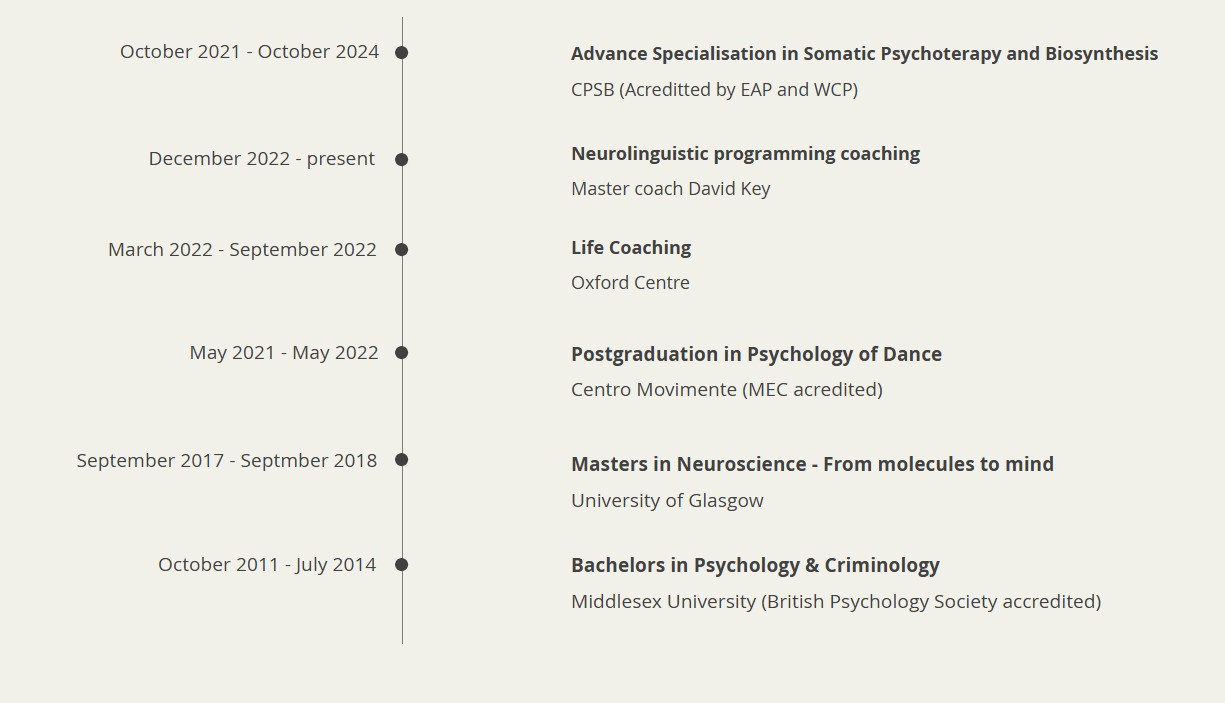
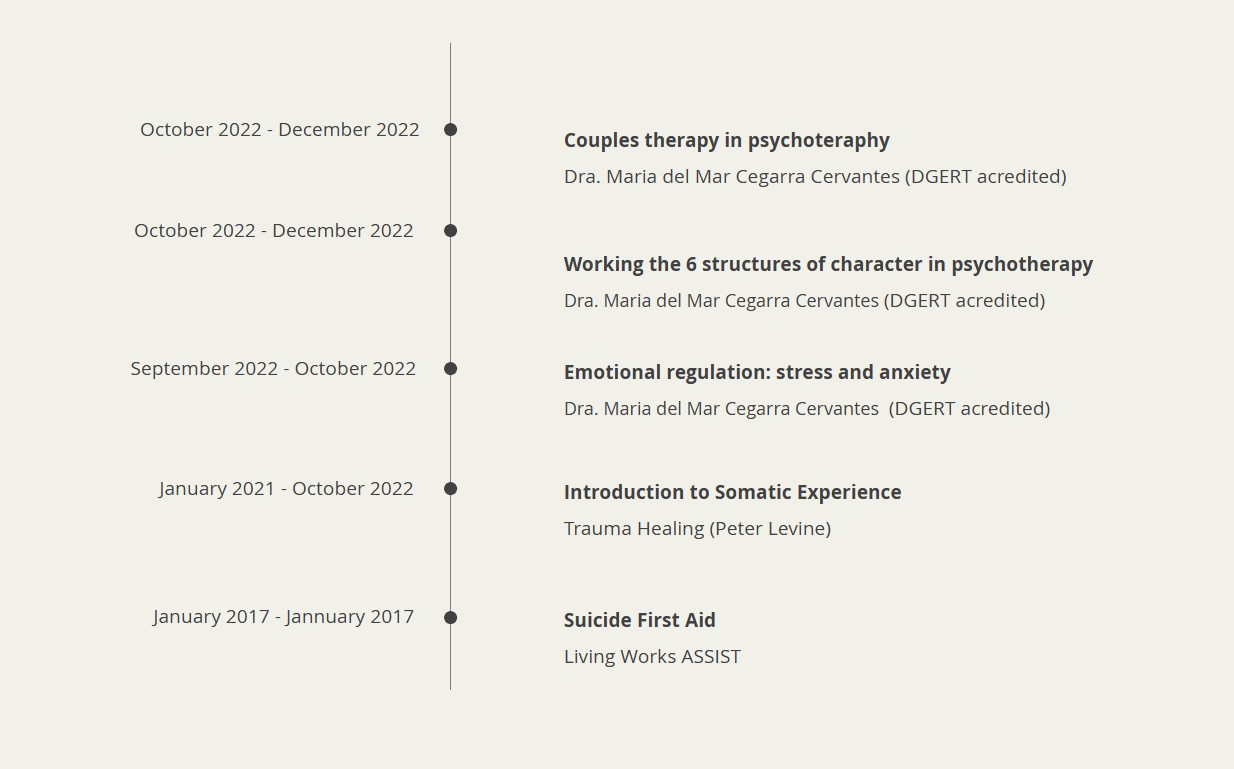
Extra Education